Fortinet Next Generation Firewall: Strengthening Modern Business Security
Cybersecurity threats continue to evolve as businesses rely more heavily on cloud services, remote work, and connected devices. Traditional firewalls are no longer enough to defend against sophisticated cyberattacks such as ransomware, phishing, malware, and zero-day exploits. Organizations now require intelligent security solutions that provide comprehensive protection while maintaining high network performance.
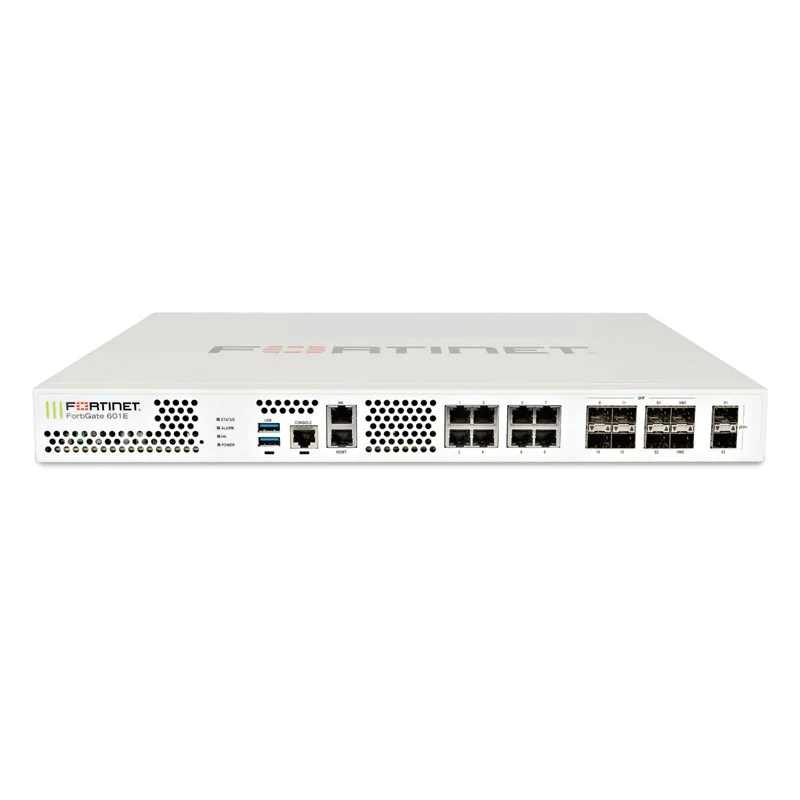
A Fortinet Next Generation Firewall is designed to meet these modern security challenges. By combining advanced threat protection, application awareness, intrusion prevention, and centralized management, it helps organizations secure their networks without compromising speed or productivity.
Whether you operate a small business or a large enterprise, implementing a next-generation firewall is an essential step toward protecting sensitive data and ensuring business continuity.
Why Choose a Fortinet Next Generation Firewall?
Unlike traditional firewalls that primarily filter traffic based on IP addresses and ports, a Fortinet Next Generation Firewall offers deep packet inspection and advanced security capabilities that identify and stop sophisticated cyber threats before they impact your organization.
These firewalls provide multiple security technologies within a single platform, allowing businesses to simplify network security while improving visibility across users, devices, and applications.
Key advantages include:
- Advanced threat prevention
- Application-aware traffic control
- Intrusion Prevention System (IPS)
- SSL inspection
- Integrated antivirus protection
- Web filtering
- VPN support
- Centralized management
- High-speed network performance
- Scalable security architecture
This integrated approach reduces complexity while providing comprehensive protection across the network.
Key Security Features
One of the biggest strengths of a Fortinet firewall is its ability to combine several security functions into one appliance.
Application Control
Businesses can monitor and control application usage across the network. This helps improve productivity while reducing unnecessary security risks.
Intrusion Prevention
The built-in IPS continuously monitors network traffic to detect suspicious behavior and block known exploits before they reach business systems.
Web Filtering
Administrators can restrict access to unsafe or inappropriate websites while protecting employees from phishing attempts and malicious downloads.
Advanced Malware Protection
Real-time threat intelligence enables the firewall to identify malware, ransomware, and other emerging threats before they spread across the organization.
SSL Inspection
Encrypted traffic represents a growing percentage of internet communications. SSL inspection allows the firewall to inspect encrypted traffic without sacrificing security visibility.
Virtual Private Network (VPN)
Secure VPN functionality enables employees to safely access company resources while working remotely.
Benefits for Modern Businesses
Organizations across every industry are facing increasing cybersecurity challenges. A Fortinet Next Generation Firewall helps businesses maintain strong security while supporting digital transformation initiatives.
Some important benefits include:
Improved Network Visibility
Administrators gain detailed insights into network traffic, user activity, connected devices, and application usage. This visibility helps identify potential risks before they become major incidents.
Better Threat Detection
Using AI-driven security intelligence and continuously updated threat databases, Fortinet firewalls can identify both known and emerging cyber threats.
Simplified Security Management
Instead of managing multiple standalone security products, businesses can centralize firewall policies, monitoring, reporting, and updates through a unified management interface.
High Performance
Security should never slow down business operations. Fortinet’s specialized security processors deliver fast inspection speeds while maintaining low latency, even during heavy traffic loads.
Flexible Deployment
Organizations can deploy Fortinet firewalls in:
- Corporate headquarters
- Branch offices
- Data centers
- Cloud environments
- Hybrid networks
- Industrial networks
This flexibility supports businesses of all sizes and industries.
Industries That Benefit from Fortinet Firewalls
Many sectors rely on advanced cybersecurity solutions to protect sensitive information and maintain regulatory compliance.
Industries commonly using Fortinet Next Generation Firewalls include:
- Financial institutions
- Healthcare organizations
- Educational institutions
- Government agencies
- Manufacturing companies
- Retail businesses
- Logistics providers
- Telecommunications
- Hospitality
- Technology companies
Each organization benefits from enhanced protection against evolving cyber threats while maintaining uninterrupted business operations.
Supporting Remote and Hybrid Work
Remote work has become a permanent part of many organizations. Employees now access business applications from multiple locations using various devices.
A Fortinet Next Generation Firewall helps secure remote connectivity through:
- Secure VPN access
- User authentication
- Endpoint integration
- Secure SD-WAN support
- Cloud application visibility
- Identity-based security policies
These features help organizations maintain strong security regardless of where employees work.
Cloud Security Integration
As businesses migrate workloads to public and private cloud environments, security requirements become more complex.
Fortinet provides security solutions that integrate with leading cloud platforms, enabling consistent protection across:
- Microsoft Azure
- Amazon Web Services (AWS)
- Google Cloud Platform (GCP)
- Hybrid cloud deployments
This unified approach simplifies policy management while maintaining consistent security controls across all environments.
Centralized Management and Reporting
Managing multiple security devices manually can become time-consuming.
Fortinet offers centralized management tools that allow IT administrators to:
- Configure firewall policies
- Monitor network activity
- Generate compliance reports
- Receive real-time alerts
- Analyze security events
- Manage multiple locations from one dashboard
Centralized administration reduces operational complexity while improving response times during security incidents.
Selecting the Right Fortinet Next Generation Firewall
Every business has unique networking requirements.
When choosing the right firewall, consider factors such as:
- Number of users
- Internet bandwidth
- Branch locations
- Remote workforce
- Cloud applications
- Compliance requirements
- Expected future growth
- Security features required
Working with an experienced networking partner helps ensure you select the correct Fortinet appliance based on your organization’s size and security objectives.
Final Thoughts
Cyber threats continue to grow in sophistication, making proactive network protection more important than ever. A Fortinet Next Generation Firewall provides organizations with advanced security capabilities, high-speed performance, centralized management, and scalable deployment options.
By combining multiple security technologies into a single platform, businesses can reduce complexity while strengthening protection against malware, ransomware, phishing attacks, unauthorized access, and other evolving threats.
Whether securing a small office, a multi-site enterprise, or a cloud-based infrastructure, investing in a Fortinet Next Generation Firewall is a strategic decision that supports long-term business resilience and operational continuity.
Frequently Asked Questions (FAQs)
1. What is a Fortinet Next Generation Firewall?
A Fortinet Next Generation Firewall (NGFW) is an advanced network security solution that combines traditional firewall capabilities with intrusion prevention, application control, web filtering, malware protection, SSL inspection, and threat intelligence.
2. How is a Next Generation Firewall different from a traditional firewall?
Traditional firewalls mainly filter traffic by IP addresses and ports, while a Next Generation Firewall performs deep packet inspection, identifies applications, detects advanced threats, and provides comprehensive security features in one platform.
3. Can Fortinet Next Generation Firewalls protect remote workers?
Yes. Fortinet NGFWs support secure VPN connections, user authentication, endpoint integration, and identity-based access controls, making them ideal for remote and hybrid work environments.
4. Which industries benefit most from Fortinet Next Generation Firewalls?
Industries including healthcare, finance, education, manufacturing, retail, government, logistics, hospitality, and technology commonly use Fortinet NGFWs to protect sensitive data and maintain secure network operations.
5. Why should businesses invest in a Fortinet Next Generation Firewall?
A Fortinet NGFW helps improve cybersecurity by providing advanced threat protection, centralized management, high-performance traffic inspection, cloud security integration, and scalable solutions that adapt to growing business needs.
Lorem ipsum dolor sit amet, consectetur adipiscing elit, sed do eiusmod tempor incididunt ut labore et dolore magna aliqua…