Verify a Huawei Certified Partner in Russia
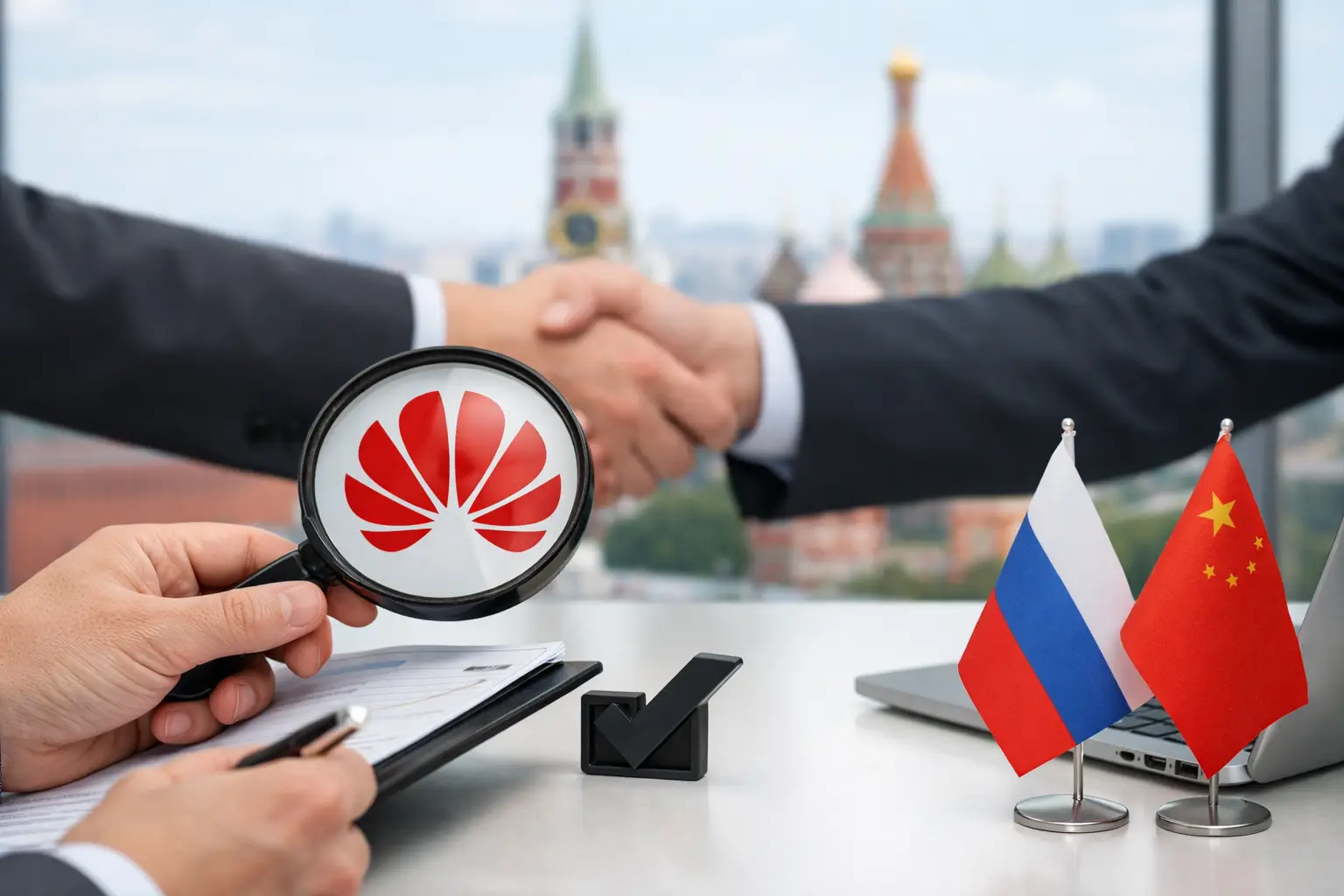
A search for huawei сертифицированный партнер россия usually starts when a network project has a hard deadline, a bill of materials is already approved, and the buyer needs confidence that the equipment is genuine and supportable. The term matters, but it should not be treated as a shortcut for every procurement decision. Certification, authorization, stock availability, warranty coverage, and legal delivery capability are related, yet they are not the same thing.
For IT managers, resellers, and procurement teams, the practical question is simple: can this supplier provide the exact Huawei equipment specified, with traceable origin, clear commercial terms, and a delivery route that works for the project? A partner badge may be part of the answer. It is not the entire answer.
Huawei сертифицированный партнер россия: what certification proves
Huawei partner programs can recognize companies for sales capability, technical competence, solution delivery, or distribution functions. The exact status can differ by product line, country program, and commercial relationship. A company may be qualified to sell enterprise networking products, for example, without being the organization that provides manufacturer-level support for every model it quotes.
This distinction matters when purchasing switches, wireless controllers, firewalls, storage systems, optical modules, or data center hardware. A certified systems integrator may be well positioned to design and deploy an architecture. A distributor may have stronger access to inventory and logistics. A reseller may be the most efficient option for replacement units or a defined hardware order. None of these roles is automatically better. The right choice depends on whether the project requires engineering, local installation, advance replacement, configuration, or simply dependable product supply.
Do not assume that a supplier using the Huawei name, product images, or model numbers is currently authorized for the transaction you are planning. Brand visibility is not evidence of status. Ask the supplier to state its role clearly: authorized partner, distributor, reseller, integrator, or independent equipment supplier. That answer should match the documents and support commitments attached to the quote.
How to verify a Huawei certified partner in Russia
Verification should happen before a purchase order is issued, not after equipment is delivered. Start with the supplier’s legal company name, registered address, tax details where applicable, and a business contact who can answer technical and commercial questions. A legitimate B2B supplier should be able to provide a formal quotation with company details, product descriptions, quantities, pricing, lead time, delivery terms, and payment conditions.
Next, ask for evidence that is relevant to the proposed deal. This may include a current partner confirmation, a manufacturer or authorized distribution reference, or a written statement describing the supplier’s channel role. The goal is not to collect marketing files. It is to establish whether the supplier can source the quoted products through a documented commercial channel.
Then validate the offer at the SKU level. Huawei portfolio names are broad, while deployment compatibility is highly specific. A quote should identify the exact part number, hardware revision when relevant, licensing requirement, power supply, mounting accessories, transceivers, and support entitlement. A low price on a switch chassis is not meaningful if required fan modules, interface cards, licenses, or power components are omitted.
For enterprise orders, procurement teams should also request serial-number handling procedures. Some serial numbers are only available after shipment, but the supplier should explain how serials will be recorded, what proof of origin can be supplied, and how warranty claims are processed. If the project requires vendor support, confirm in writing whether that support is included, transferable, regionally valid, or handled by the seller.
A practical verification file should contain at least these items:
- A formal quotation showing legal seller details and exact Huawei part numbers.
- A written explanation of the supplier’s channel role and support responsibility.
- Product condition confirmation, including whether equipment is new, refurbished, surplus, or open-box.
- Warranty scope, claim process, and the party responsible for replacement or repair.
- Confirmed lead time, Incoterms or delivery terms, and destination-specific shipping restrictions.
This file protects both the buyer and the supplier. It also prevents a common failure point: an order that appears compliant in the proposal stage but cannot be delivered under the agreed timeline or support model.
Evaluate the quote beyond the partner label
Partner status is valuable, but operational details determine whether a purchase succeeds. Compare offers on total procurement cost rather than unit price alone. Include freight, customs handling, tax exposure, insurance, license activation, configuration work, spare parts, and the cost of a delayed deployment.
Availability deserves the same scrutiny. Ask whether stock is physically available, allocated from a distributor, scheduled from a manufacturer channel, or subject to confirmation. The phrases available and in stock can mean different things in technology procurement. For a critical replacement switch or firewall, request a realistic dispatch date and confirm whether an equivalent model can be supplied if the primary SKU becomes unavailable.
Technical accuracy is another deciding factor. Huawei enterprise equipment often has dependencies across software versions, subscriptions, optics, stacking cables, controller capacity, and regional power standards. A supplier that checks compatibility before invoicing can save days of rework. For larger deployments, provide the bill of materials, topology requirements, existing hardware models, and target software version. This allows the seller to identify missing components before the order is committed.
Cross-border supply requires a separate check
Russia-bound technology orders can involve additional trade, banking, customs, export-control, and carrier considerations. These requirements can change by product category, country of origin, destination, and end use. A valid partner relationship does not remove these obligations.
Buyers should provide accurate end-user and end-use information when requested and expect the supplier to review whether the transaction can proceed. Attempts to obscure a final destination, alter documentation, or use incomplete product descriptions create risk for everyone involved. The correct approach is documented, transparent trade compliance.
For organizations sourcing through Georgia or another regional hub, cross-border capability can be useful when it is backed by clear documentation and confirmed logistics. GreenCode Tech can support business buyers seeking enterprise hardware procurement, but each order should still be reviewed for product availability, documentation requirements, and permitted delivery options. This is especially relevant for high-value networking, security, and computing equipment.
Red flags that deserve immediate follow-up
A supplier does not need a glossy website to be reliable, but several signals should pause a purchase. Be cautious when a quote has no legal entity information, uses vague descriptions instead of part numbers, offers unusually short lead times without stock confirmation, or avoids written warranty terms. The same applies when the seller insists on payment without a formal invoice or cannot explain whether the equipment is new and unused.
Another red flag is a mismatch between the claimed role and the service offered. A company may describe itself as certified but be unable to identify who handles license activation, technical escalation, or replacement hardware. Ask direct questions and request direct answers. A serious supplier will define its responsibility instead of relying on general assurances.
When certification is not the deciding factor
There are cases where an authorized partner is the preferred route: a new enterprise deployment, a project needing vendor-backed support, a regulated environment, or an architecture that requires certified engineering services. In those situations, certification and documented support pathways should carry significant weight.
For a replacement power supply, compatible optical module, spare access switch, or a time-sensitive expansion, the better supplier may be one with verified inventory, precise SKU knowledge, and a clear seller warranty. The procurement standard should fit the operational risk. Buying a small spare and buying a campus network are not the same transaction.
Treat Huawei supplier verification as part of disciplined sourcing, not a checkbox. The supplier who can document the exact equipment, explain the support path, confirm delivery conditions, and communicate quickly is usually the one who helps keep the network project moving.